
Azacitidine 100mg Injection
Each vial contains: Azacitidine IP — 100 mg Excipients — q.s. Dosage form: Lyophilized powder for injection Strength: 100 mg/vial Route: Intravenous or subcutaneous use, after reconstitution as directed by the physician. The Indian CDSCO record also lists Azacitidine 100 mg/vial as a lyophilized powder for IV or subcutaneous use.
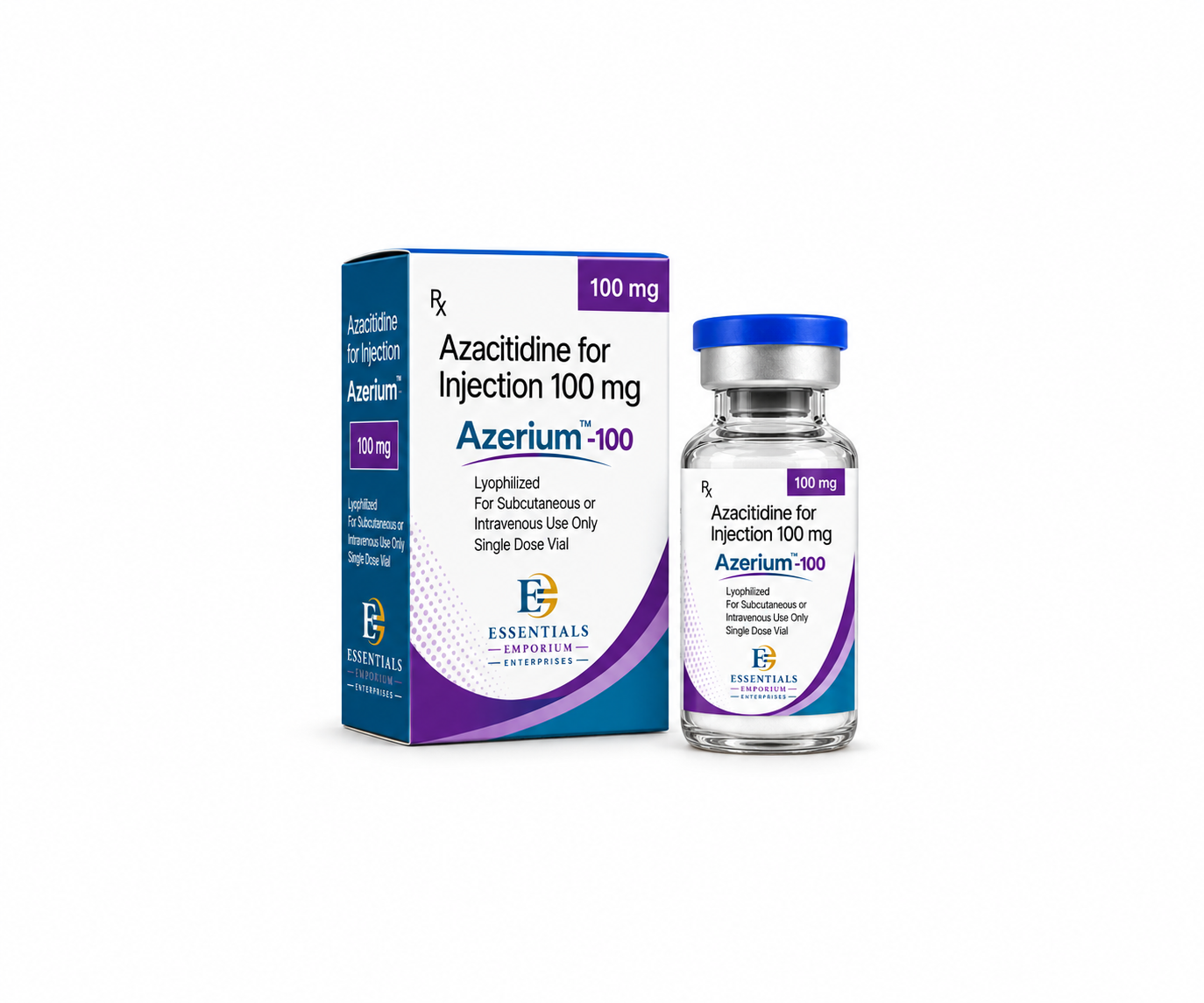
Azacitidine 100mg Injection
Azerium 100
MRP Rupees
Azerium Azacitidine Injection 100 Mg is intended for professional oncology use in hospitals, cancer-care centres and specialized clinical settings. The dosage, treatment cycle and duration are determined by the treating oncologist based on the patient's diagnosis, blood counts, overall condition and prescribed chemotherapy protocol. Key Features- Brand Name: Azerium Generic Name: Azacitidine Strength: 100 mg Dosage Form: Injection Therapeutic Category: Oncology / Anticancer Medicine Drug Class: Hypomethylating Agent Indications: Used in physician-directed treatment protocols for conditions such as MDS and AML Administration: Administered by qualified healthcare professionals Clinical Setting: Hospitals, oncology centres and specialized cancer-care facilities Prescription Medicine: Use strictly under the supervision of a qualified oncologist Professional Handling: Requires appropriate preparation, administration and handling precautions Treatment Monitoring: Therapy generally requires regular clinical and laboratory monitoring
- Composition
- Each vial contains: Azacitidine IP — 100 mg Excipients — q.s. Dosage form: Lyophilized powder for injection Strength: 100 mg/vial Route: Intravenous or subcutaneous use, after reconstitution as directed by the physician. The Indian CDSCO record also lists Azacitidine 100 mg/vial as a lyophilized powder for IV or subcutaneous use.
- Dosage Form
- Vial
- Packaging
- Vial With Carton
- Therapeutic Area
- Oncology & Hematology
- Indications
- Azacitidine for injection is indicated for the treatment of myelodysplastic syndromes (MDS). Approved indications include the following FAB subtypes: Refractory Anemia (RA) Refractory Anemia with Ringed Sideroblasts (RARS) when accompanied by neutropenia or thrombocytopenia, or requiring transfusions Refractory Anemia with Excess Blasts (RAEB) Refractory Anemia with Excess Blasts in Transformation (RAEB-T) Chronic Myelomonocytic Leukemia (CMMoL) For the currently approved VIDAZA labeling, azacitidine injection is also indicated in pediatric patients 1 month and older with newly diagnosed Juvenile Myelomonocytic Leukemia (JMML).